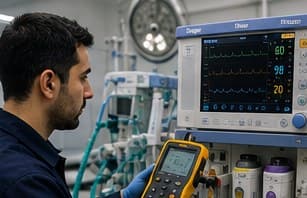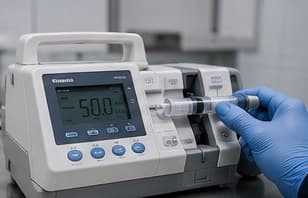
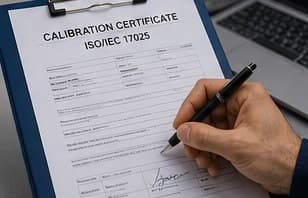
On the surface, calibration looks like a technical and administrative requirement: a process repeated periodically, a sticker applied to a device, a certificate filed away. But a closer look at modern quality-assurance systems shows that calibration is actually the backbone of an organization's trust in its own data. Every decision made on a production line, in a control room, in a diagnostic laboratory, or in a hospital operating room ultimately rests on measurement data. If that data isn't traceable, accurate, and documented, the entire decision chain is open to doubt.
When a Small Deviation Becomes a Big One
Imagine a pressure transmitter in a petrochemical reactor that has gradually drifted off zero. The control-room operator treats the displayed value as reality and adjusts the control valves accordingly. A batch of product is produced with the wrong composition; raw material and energy are wasted; industrial customers complain; and in the worst case, if the deviation moved in a dangerous direction, a safety incident occurs.
Now picture the same scenario in a medical laboratory: a sampler with a volume-draw error under-reports a diabetic patient's blood glucose level, and the clinician sets an inappropriate insulin dose. The consequences of these errors bear no comparison to the cost of an annual calibration.
Three Key Reasons
Calibration forms the foundation of quality assurance for three key reasons:
- From claim to evidence. Calibration turns measurement data from a subjective claim into defensible evidence. A device with a valid calibration certificate, traceable to national and international references, produces metrological evidence that holds up in audits, legal disputes, and commercial negotiations.
- A risk-control tool. By knowing each instrument's measurement uncertainty, a quality manager can make informed decisions about product-specification safety margins, inspection intervals, and corrective actions.
- Early detection of drift. Regular calibration catches gradual equipment drift at an early stage, before it leads to defective product or an incident.
What an Effective Calibration Program Looks Like
An effective calibration program is risk-based (shorter intervals for critical equipment), fully traceable to national and international references, correctly calculates and reports measurement uncertainty, is documented in an electronic management system, and is carried out by trained personnel in a controlled environment.
At Persia Azma System, we believe calibration isn't just a regulatory requirement: it's the cornerstone of any sustainable quality-assurance system, and a reliable tool for managing financial, safety, and compliance risk. Calibration isn't a cost; it's the shared language of trust between producer, consumer, and regulator.