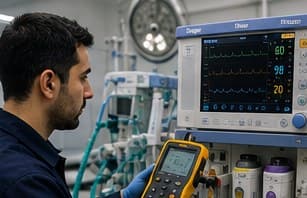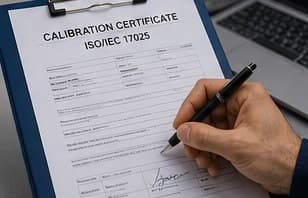
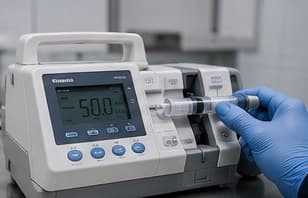
One of the most common misunderstandings we run into during technical visits is treating calibration, verification, and adjustment as the same thing. This conceptual mix-up sometimes leads to poor equipment-management decisions: a lab manager might assume that because a device was "calibrated," it must now be more accurate, which isn't necessarily true.
What Is Calibration?
Calibration is a comparison process: the value shown by the device under test is compared against a reference value (produced by traceable standard equipment), and the deviation is documented and reported. Calibration by itself makes no change to the device; its output is a certificate containing the measured values, uncertainty, and deviation from the reference.
What Is Verification?
Verification goes one step beyond calibration: the calibration results are compared against a predetermined acceptance criterion (such as the manufacturer's specification or the user's requirements) to determine whether the device is "acceptable." Put simply, calibration tells you how far off a device is, and verification tells you whether that much deviation is acceptable for the intended use.
What Is Adjustment?
Unlike the first two, adjustment is a physical intervention on the device: a technician changes internal parameters (such as zero and span) to reduce the measured deviation. Adjustment should always be followed by a post-adjustment calibration to document the improvement.
Why the Difference Matters
If a device is only verified and found outside its acceptance range, it must either be adjusted or taken out of service. Deciding to adjust a device without an initial calibration can actually make a device that was only slightly out of range worse. That's why, in professional calibration programs, these three steps are always documented separately and in order: calibration first, then verification against the acceptance criterion, and, if needed, adjustment followed by a confirming calibration.
At Persia Azma System, every calibration report clearly states which of these steps was performed, so the client knows exactly what was done to their equipment.