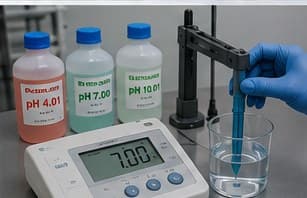
Medical equipment calibration is the process of measuring and documenting how accurately a diagnostic, therapeutic, or patient-monitoring device performs against a traceable reference standard. Since clinical decisions rely directly on the data these devices produce, even a small deviation can lead to a misdiagnosis or an incorrect treatment.
Which Medical Equipment Needs Calibration?
Nearly every device involved in measuring, diagnosing, or treating a patient needs periodic calibration. The most common examples include:
- Incubators and neonatal equipment
- Autoclaves and sterilization equipment
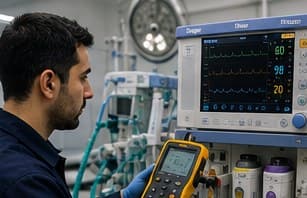
- Vital-signs monitors
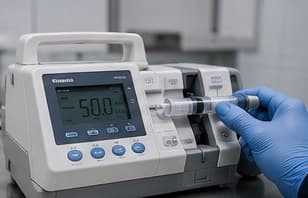
- Syringe pumps and infusion pumps
- Medical imaging equipment (radiology, ultrasound, CT)
- Physiotherapy and rehabilitation equipment
- Laboratory balances and diagnostic equipment
How Often Should Medical Equipment Be Calibrated?
The calibration interval depends on factors such as the device type, usage intensity, deviation history from prior calibrations, and manufacturer recommendations. A 6-to-12-month interval is typical, though equipment with a direct impact on patient safety, such as incubators or imaging systems, often warrants a shorter interval.
The Cost of Skipping Calibration
Deviation in uncalibrated medical equipment usually develops slowly, with no visible symptoms. An incubator running at the wrong temperature can invalidate a microbial culture, a sampler with a volume error can change the outcome of a critical test, and an uncalibrated imaging device can result in an incorrect radiation dose. Beyond the clinical risk, missed calibrations can also create problems during hospital accreditation and Ministry of Health audits.
Regulatory and Standards Requirements
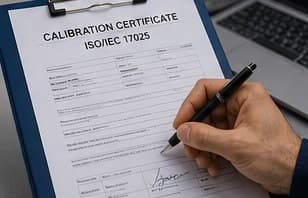
In Iran, medical equipment calibration is overseen by the Ministry of Health, the Medical Equipment Directorate, and standards such as ISO 15189 for medical diagnostic laboratories. Treatment centers and laboratories are required to keep a valid, traceable calibration certificate for every device.
At Persia Azma System, we calibrate medical equipment using precise reference instruments and experienced specialists, both in our lab and on-site across Shiraz and southern Iran, issuing a certificate with measurement uncertainty for every device.